A UGC brief becomes usable the moment it stops describing a feeling and starts naming what the camera points at. Fix the placement before anything else, write the opening line yourself, list every shot with a subject, an action and a rough length, and state the format the file has to arrive in. Add one reference clip you have already approved, say what the creator may not claim, and treat the first delivery as a draft you will give timecoded feedback on. Briefs written this way get usable footage from the first batch instead of the third.
- →Vague briefs do not produce bad creators, they produce creators guessing. Every decision you leave open is a decision you will later reject.
- →Decide the placement before you write a word. A listing video and a feed ad are different products and cannot share one brief.
- →Write the hook verbatim and let the creator rephrase it. The first two seconds are too important to delegate blind.
- →A shot list needs a subject, an action and a rough length per line. Replace every adjective with a thing to point the camera at.
- →Ask for raw files as well as the edit, with no music and no on-screen text baked in, so you can cut a second version yourself.
Why Most UGC Briefs Produce Footage You Cannot Use
The brief most D2C brands send a creator is a mood board and a paragraph. Authentic, relatable, get-ready-with-me energy, show the product naturally, keep it fun. A creator reading that has to invent everything that actually matters: what the first line says, whether their face is in frame, whether they name the brand out loud, how long the clip runs, which shot comes first, whether there is trending audio over it and whether the product is even visible while they talk. Every one of those is a decision the brand will have an opinion about later, and none of them were made in the brief.
So the batch comes back, someone on the team says this is not what we wanted, and the honest answer is that nobody said what was wanted. The money is rarely the painful part, because per-video UGC rates in India are low enough that a wasted batch is survivable. What hurts is the fortnight. Sourcing, shipping, filming and delivery take two to three weeks, so a brief that fails costs you a month of the content calendar and usually arrives at exactly the moment the performance team needed new creative.
There is a structural reason this keeps happening. The brief is usually written by whoever manages creators, while the person who knows where the video will run, the performance marketer or whoever owns the listing, never sees it before it goes out. The result is a brief that is accurate about the brand and silent about the placement, which is the only thing that determines whether the footage is usable. Getting those two people in the same document for twenty minutes fixes more than any template will.
It is worth being clear about what a brief cannot fix, too. It will not rescue a creator whose audience has nothing to do with your category, and it will not make a shoot happen faster than the product can reach them. Sourcing is a separate discipline with its own failure modes, which is why briefs sent out with a large gifting batch tend to fail hardest: a gifting programme run as a volume exercise multiplies whatever ambiguity the brief already contained by the number of creators who received it.
Build the Brief in a Fixed Order
Order matters because each decision closes off the ones after it. Choose the placement and you have already decided the aspect ratio, the length, whether the sound carries the message and whether the opening frame is a face or a product. Choose the hook and you have decided what the first shot has to be. Work in the other direction, starting from tone and mood, and you end up with six beautiful clips that none of your placements can use.
Keep it to two pages, one of which is the shot list. Brand background, founder story and the history of the formulation are things a creator should read once, in a linked document, not things that should sit between them and the instruction they need on set. The test for every line in the brief is simple: does this change something the creator does while filming? If not, move it out.
Send it as a document the creator can keep open on a second screen and tick through, not as a series of messages. Briefs delivered across nine WhatsApp messages get followed in the order they were read, which is not the order you wrote them in, and the creator has nothing to check their delivery against before sending it.

- Name the placement first Decide where the footage will run before writing a word. A listing video and a feed ad need different framing.
- Write the hook yourself Give the creator the first line verbatim. Leaving it open is what produces unusable openings.
- List the shots, not the vibe Each shot gets a subject, an action and a rough length. Replace every adjective with a thing to point the camera at.
- Fix the specs Vertical, native audio on, natural light, no music, no on-screen text, raw files as well as the edit.
- State what is off limits Claims you cannot make, competitors, filters, and anything your category rules forbid.
- Show one reference clip One example of a take you approved beats three paragraphs describing one you have not.
Write the Hook Yourself, and Write the Shot List Like a Shot List
The opening two seconds decide whether anything else in the video gets watched, which makes it the single worst thing to leave to someone who has not seen your performance data. Write the hook verbatim in the brief. Then say explicitly that the creator may rewrite it in their own words as long as the claim and the structure hold, and ask for one take of your version as well as one of theirs. That costs nothing on the day and gives you two openings to test against each other later.
If you have budget for one piece of insurance in the whole brief, make it alternate hooks. Ask for two or three different opening lines over the same body footage, filmed back to back in the same setup. You are not paying for three videos, you are paying for a few extra minutes at the end of a shoot that is already lit and already rolling, and you get the one variable that moves performance most.
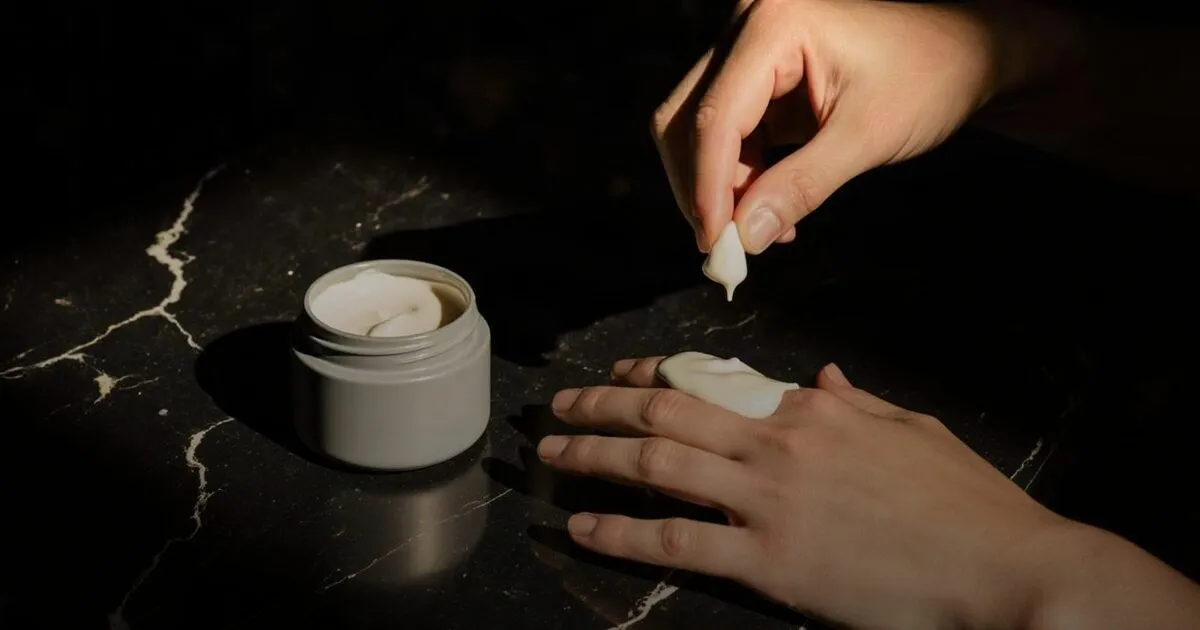
Then write the shot list like a shot list. Each line needs a subject, an action and a rough length, and the discipline is to replace every adjective with a thing the camera can be pointed at. Show the texture becomes a fingertip dragging through the surface of the cream in the open jar, close enough that the marks stay visible, about three seconds. Show it in use becomes applied to the back of the hand and rubbed in until it disappears, one continuous take, no cut. Make it feel premium is not a shot and should be deleted.
Ask for the raw files alongside the edit, and ask for the delivered footage to arrive with no music, no filters and no on-screen text burned in. Captions and sound you add yourself can be changed later; captions baked into an export cannot, and they are the reason perfectly good footage becomes unusable the moment you want to run it somewhere else. Which shots you ask for should also follow the format you are commissioning, because an unboxing, a demo and a testimonial each need a different sequence and deciding that before you brief anyone saves a round.
The Brief Changes With the Placement
A marketplace listing video and a paid social ad look similar in a folder and behave nothing alike. Listing plays are largely muted and the viewer already intends to buy, so the video's job is to answer the question the bullets raised: how big is it, what does it look like out of the box, how does it go on. A feed ad is interrupting someone, so it has to open on a face and a spoken line, name a problem before it names the product, and earn the unmute.
That difference should be visible in the brief, not implied. The same creator, the same product and the same afternoon can produce both, but only if you brief them as two deliverables with two shot lists rather than one video you hope to reuse. Assume no reuse and treat a clip that happens to work in both places as a bonus.
The trap here is briefing everything as though it were organic content, because that is what UGC looks like. Once money goes behind a clip its job changes, and the things that make a good organic Reel are not the things that make a good ad, which is the same distinction behind choosing when to post a Reel and when to put budget behind a UGC ad. Decide which one you are commissioning before you write the hook.

| Brief for an Amazon or Flipkart listing video | Brief for a Meta or Instagram feed ad |
|---|---|
| Opens on the product in frame, not on a face | Opens on a face and a spoken line in the first two seconds |
| Answers the question the listing bullets already raised | Names a problem before it ever names the product |
| Works with the sound off, because most listing plays are muted | Carries the message in native audio the viewer chooses to unmute |
| Shows scale, texture and what is inside the pack | Shows the product being used, not the product sitting still |
| No trend audio, no personality-led intro, no channel handle | Ends on a reason to act now rather than a specification |
Feedback Is Part of the Brief, Not a Reaction to It
Say in the brief that the first delivery is a draft, state how many revision rounds are included, and define what counts as one. A reshoot because half the shots were backlit is a fix. A reshoot because the team changed its mind about the angle after seeing the footage is new work and should be paid for as new work. Almost every dispute with a creator that turns sour is not about the fee, it is about a brand that treated unlimited rounds as included and never said so.
Then give feedback the way the brief was written. Shot four is unusable because the jar leaves frame from six seconds, please refilm that shot only, is actionable. This feels a bit flat is not, and it invites the creator to change things that were working. Point at shot numbers and timecodes, say what stays as well as what changes, and one round is genuinely enough.
Keep every approved take. A library of clips you have already accepted is the most useful thing you can attach to the next brief, because one example of a take you liked settles more questions than three paragraphs describing one you have not seen. Over a year that library, not the template, is what makes your briefs work first time.
The brief is not the contract, and it should not try to be, but the two have to agree. If the brief asks for footage you intend to run as a paid ad or put on a listing for a year, the terms you signed need to permit exactly that, and the creator needs to have known it before they filmed. Sorting out what the usage rights actually cover and for how long before the shoot is far cheaper than discovering the limit when the ad is already performing.
"Every adjective in a brief is a decision you have quietly handed to someone who has never seen your conversion data. Replace it with a thing the camera can point at."
- Brand Integer UGC Team
Frequently Asked Questions
How long should a UGC creator brief be?
Two pages, and one of them should be the shot list. A brief nobody finishes reading is worse than a short one, because the creator will act on the first half and improvise the rest. Cut everything that is brand background and keep only what changes what the camera does: the placement, the hook, the shots, the technical specs, the things you cannot say, and one reference clip. If a line does not change a decision the creator has to make while filming, it does not belong in the brief. Everything else can sit in a linked document they read once.
Should we write the script for the creator or let them use their own words?
Write the structure and the claim, let them own the phrasing. The brand decides what the first line has to accomplish and what the video is allowed to promise, because those are the two things that get the footage rejected or get you into trouble. The creator decides the words, because their audience can tell when a line has been handed to them. In practice that means you supply the hook verbatim as a starting point, say explicitly that they may rewrite it in their own voice as long as the claim holds, and ask for one take of the original as well so you have both.
How many revision rounds should we expect from a UGC creator?
One, and it should be written into the brief along with what counts as a revision. A reshoot because the lighting was unusable is a fix. A reshoot because the team changed its mind about the hook is new work and should be paid as new work. Setting that expectation before the shoot is what keeps the relationship intact, because the usual dispute is not about money, it is about a brand treating unlimited rounds as included. Give feedback in shot numbers and timecodes so a single round is actually enough.
Can the same UGC video be used on our Amazon listing and as a Meta ad?
Sometimes the raw footage can, the finished edit usually cannot. A listing video opens on the product and has to work with the sound off, because most listing plays are muted. A feed ad opens on a face and a spoken line, and it earns its watch time by naming a problem before it names the product. Brief for one placement, ask for the raw files as well as the edit, and cut the second version yourself from the same shoot. Also check your usage rights cover paid media before you put budget behind anything a creator filmed.